These books have shaped the way I think about art, imagination, and the creative process.
This list is for anyone curious about the influences behind Imaginative Art. Some are practical, others more contemplative or theoretical, but together they reflect the artistic, psychological, and embodied foundations of my work.
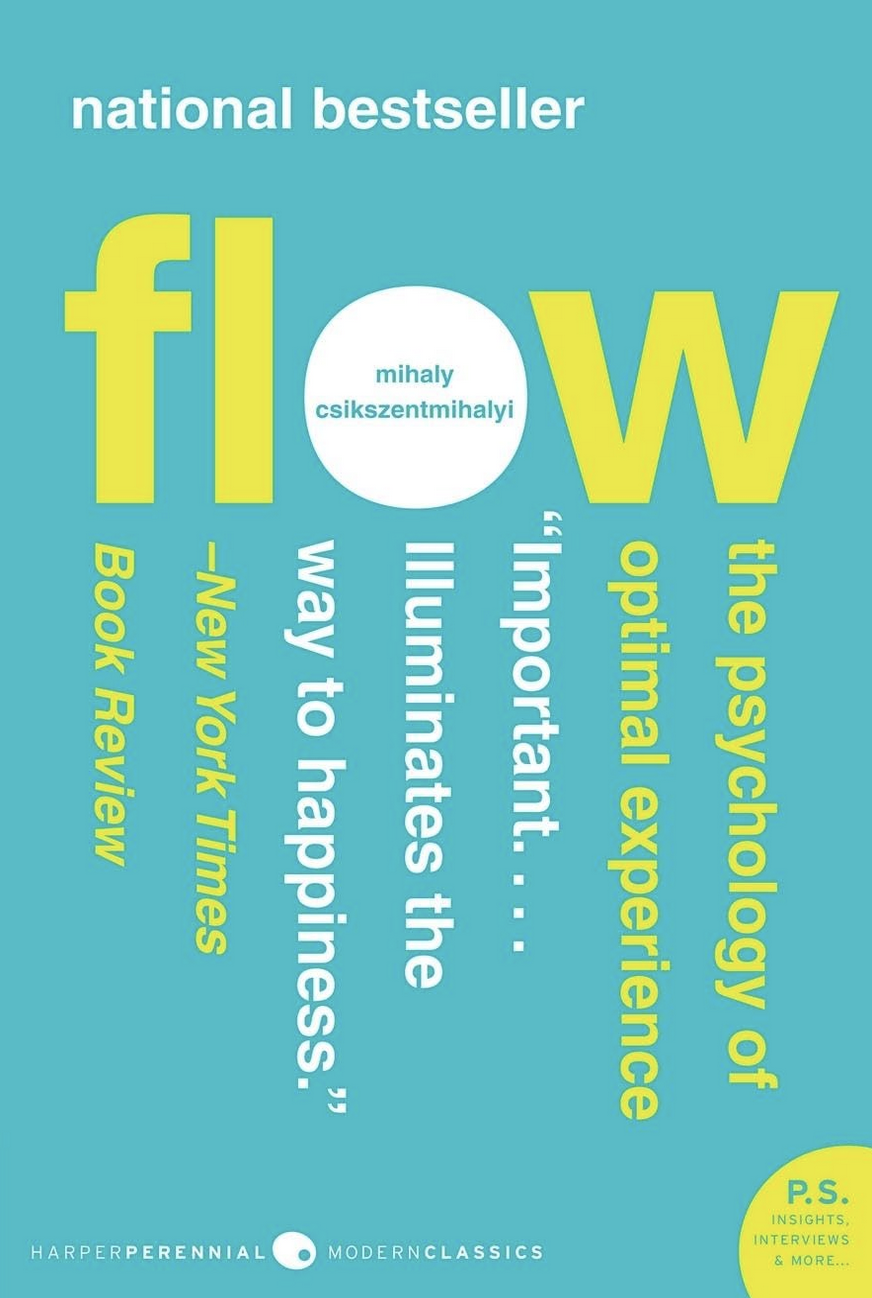
Mihaly Csikszentmihalyi — Flow: The Psychology of Optimal Experience
When I first discovered this book in 2011, it completely changed how I understood creativity and performance. At the time, I was coaching cyclists, teaching yoga, and making art. Then suddenly, everything I was doing converged into this one concept of flow. All my seemingly disparate passions had a common thread, and they’ve felt deeply interconnected since.
It may be a familiar term now, but this is still essential reading for anyone who wants to experience more genuine enjoyment in their life.
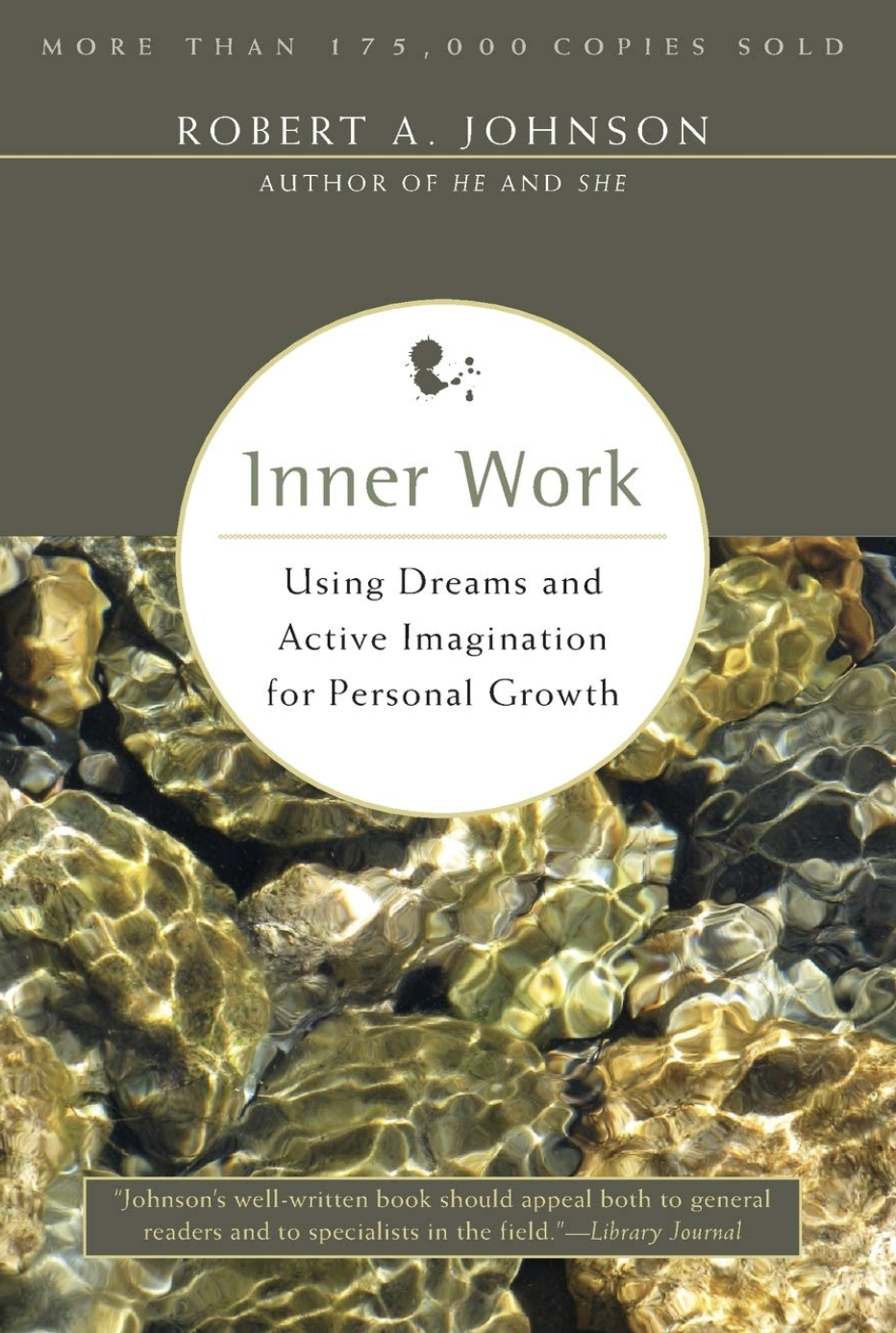
Robert A. Johnson — Inner Work: Using Dreams and Active Imagination for Personal Growth
This book opened the door for me to the practice of active imagination in a way that is clear, grounded, and approachable for anyone who isn’t a clinical practitioner. Johnson makes Jung’s ideas about the inner life deeply practical and accessible, removing the academic lock and key that often surrounds them. It’s a well-written, easy-to-follow guide that outlines a four-step process for engaging directly with dreams and the unconscious—a foundational read for anyone drawn to self-understanding and psychological depth.
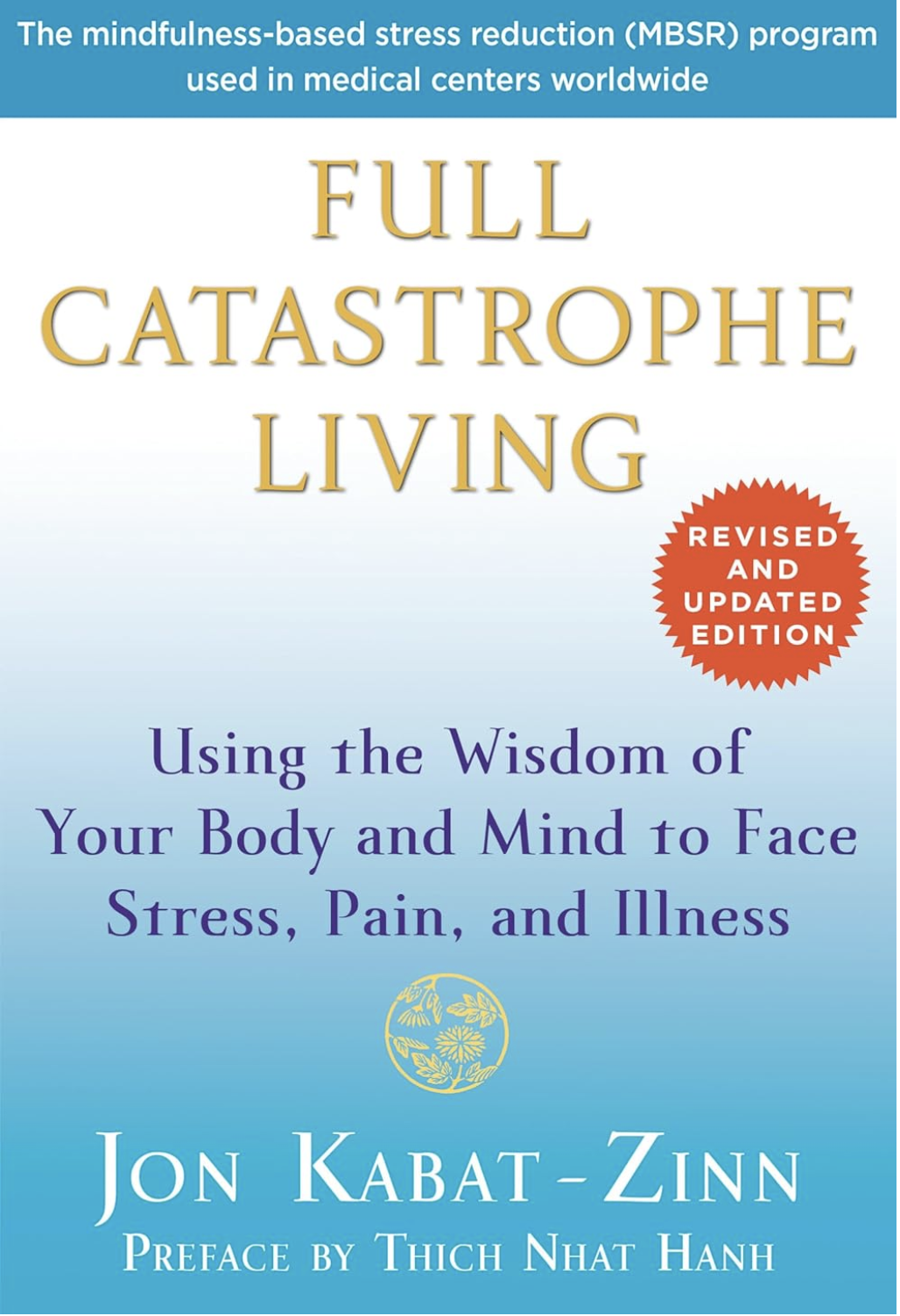
Jon Kabat-Zinn — Full Catastrophe Living
Full Catastrophe Living is essentially the manual for Mindfulness-Based Stress Reduction (MBSR), the 8-week program developed by Jon Kabat-Zinn at the University of Massachusetts Medical Center in 1979. It presents mindfulness as a trainable skill, not a belief system, that helps people respond rather than react to stress, pain, and uncertainty. MBSR has become one of the most researched mindfulness programs in the world, with decades of evidence showing benefits such as reduced stress and emotional reactivity, improved immune function, decreased symptoms of anxiety and burnout, and greater focus and resilience. A reminder that mindfulness isn’t about escaping stress, but engaging it with awareness and choice.
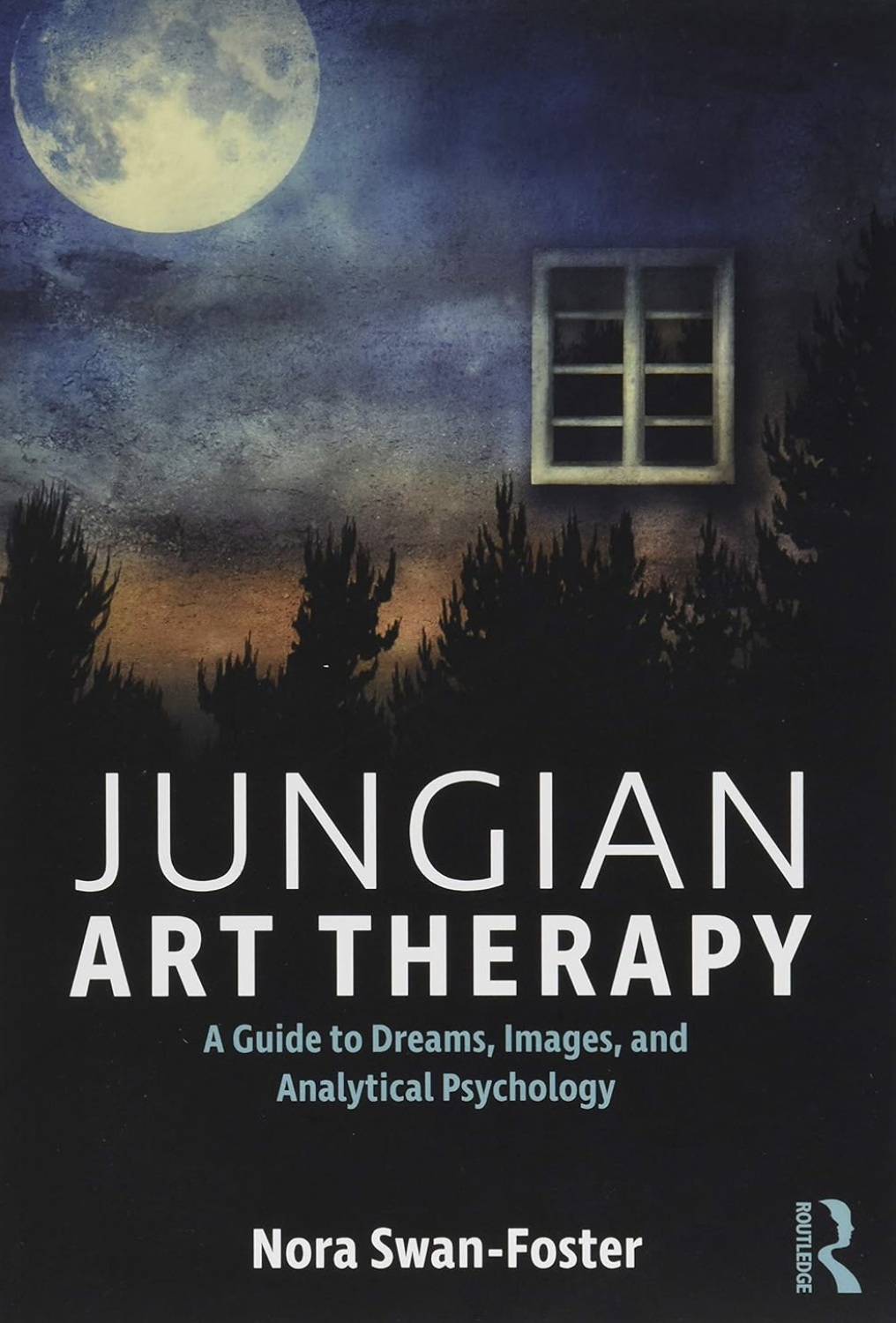
Nora Swan-Foster — Jungian Art Therapy
Similar to Johnson’s Inner Work above, Jungian Art Therapy opens the door to using Jung’s methods within art therapy and personal creative practice. Swan-Foster clearly explains Jung’s model of working with the psyche and shows how imagery arising from the unconscious can be engaged through art-making as a living dialogue rather than analyzed from a distance. She weaves together theory, case studies, and clinical insight to show how the symbolic and imaginal layers of the psyche can find expression through visual form. For me, this book bridges the psychological and artistic foundations of my work, offering a framework for understanding art as both a process and a psyche in motion.
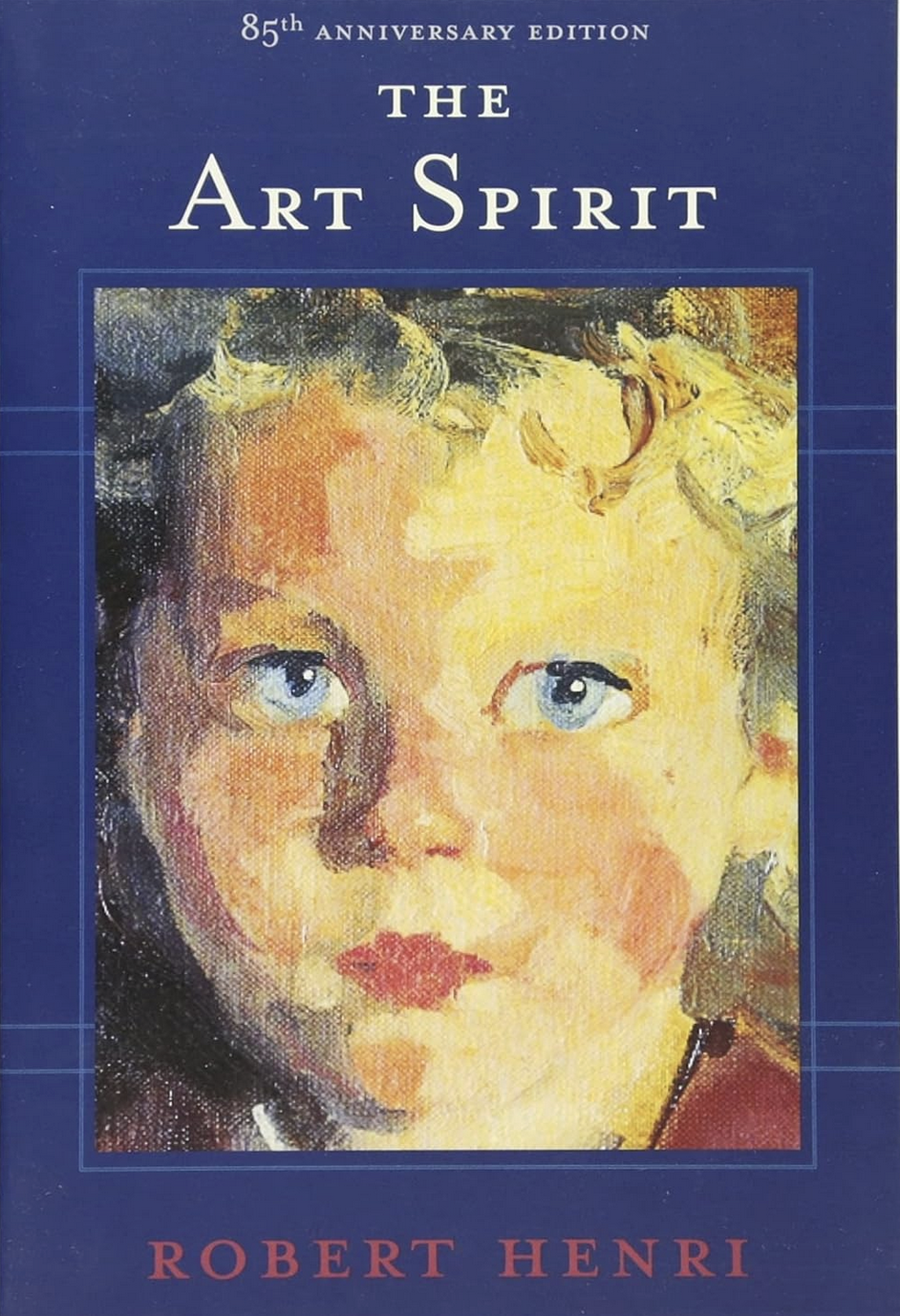
Robert Henri — The Art Spirit
I first read this book 15 years ago and still return to it for inspiration. Robert Henri taught at the Art Students League in New York and compiled these reflections from his teachings and letters to students. It’s part art philosophy, part practical guidance. and a companion for when you need grounded, down-to-earth advice on the deeper meaning behind making art.
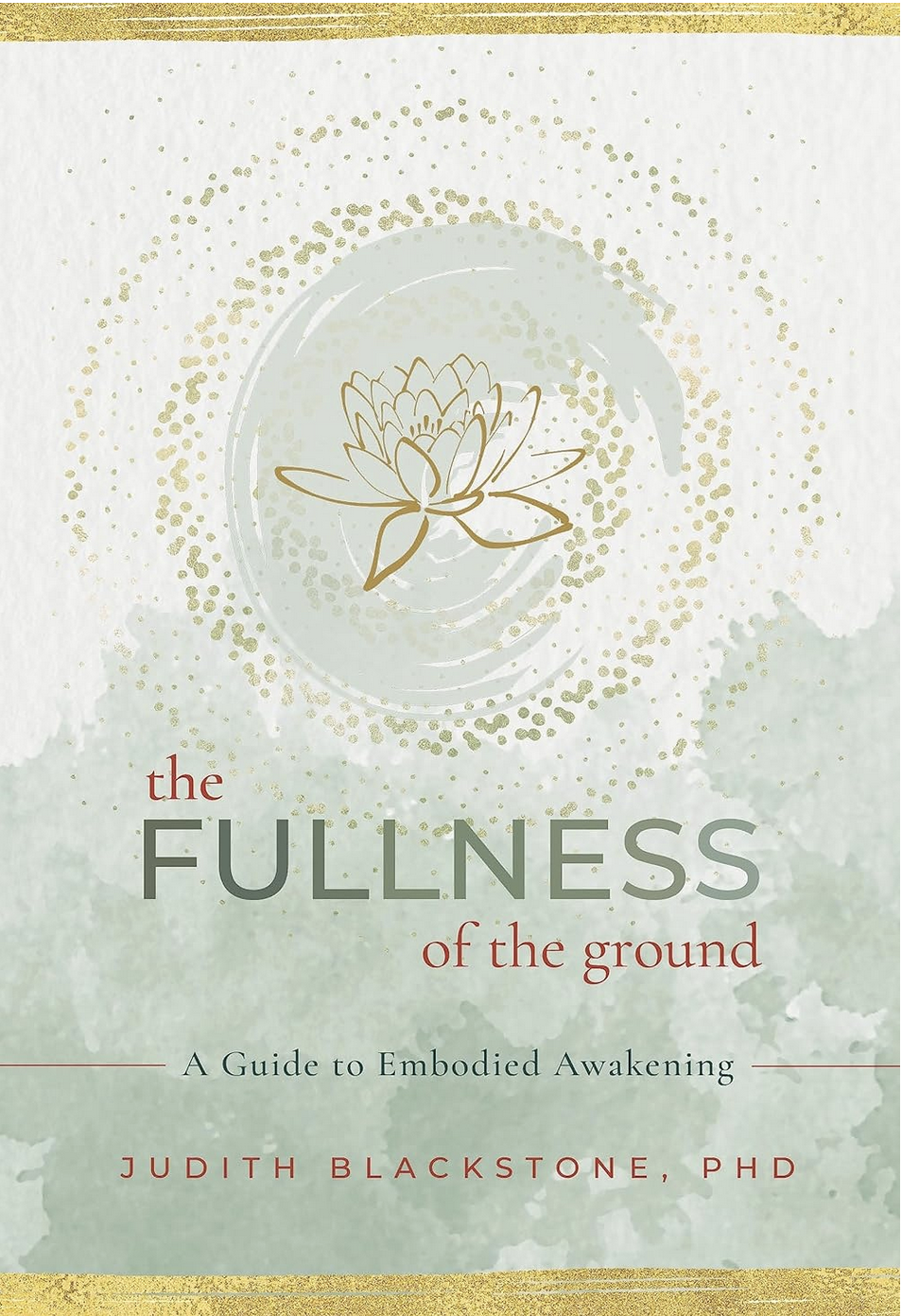
Judith Blackstone — The Fullness of the Ground
Judith Blackstone’s work has been fundamental in helping me understand what it means to live fully in the body and to be truly embodied. This book is her most recent and includes her most current teachings on awareness, relationship, and realization. It’s written in an accessible way and filled with practices you can do on your own to cultivate an authentic sense of wholeness.
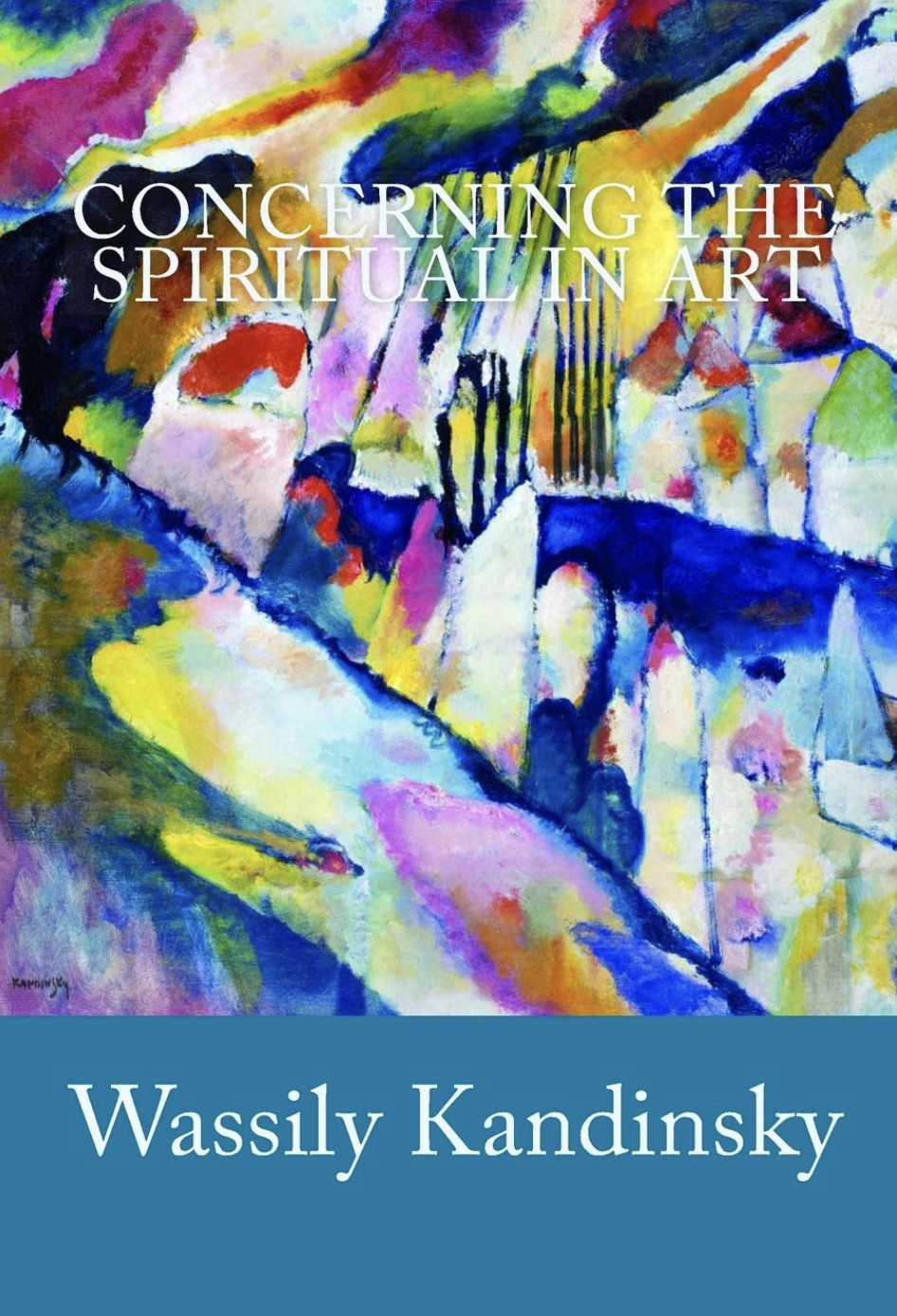
Wassily Kandinsky — Concerning the Spiritual in Art
There are so many wonderful books on the deeper meaning of art, but I’ve included Kandinsky’s classic because it was one of the first. Written in 1911, it marks the moment artists began to turn inward by using color and form to express what can’t be seen or said. It’s a beautiful reminder that abstraction began as a search for something deeply human.